


By Pause Fitness and Nutrition | Durango, CO
Durango is a hiker’s paradise. From the rolling singletrack of Horse Gulch to the demanding switchbacks of Missionary Ridge, our trails demand something from your body — and your body demands something back.
But most hikers think about gear, water, and weather. Nutrition? That’s an afterthought. The result: heavy legs, afternoon crashes, and soreness that lingers way longer than it should.
Here’s what sports nutrition actually looks like for Durango hikers — before, during, and after the trail.
Why Post-Hike Nutrition Matters More Than You Think
A moderate 2-hour hike in Durango can burn 600–1,000 calories, depending on elevation gain and your body weight. Throw in summer heat and altitude (Durango sits at 6,512 feet, and most trailheads start higher), and you’re also depleting glycogen stores, losing electrolytes through sweat, and creating micro-tears in muscle tissue.
If you just drive home and eat whatever’s in the fridge an hour later, you’re leaving recovery on the table.
The good news: fueling well after a hike doesn’t require a nutrition degree. It comes down to three things — timing, carbs, and protein.
The Post-Hike Fueling Window
Your muscles are most receptive to replenishment within 30–60 minutes of finishing your hike. This is often called the “anabolic window” — a period when your body is primed to absorb nutrients and begin repair.
Miss this window and you’re not doomed, but you will likely feel more sore the next day and have less energy for tomorrow’s adventure.
What to aim for post-hike:
- Carbohydrates (30–50g): to replenish glycogen stores. Think healthy carbs: veggies and fruit.
- Protein (30g): to repair muscle tissue. Think eggs, plain yogurt, chicken, a protein shake.
- Fluids + electrolytes: you lost sodium, potassium, and magnesium in sweat. Rehydrating with water alone isn’t enough after a hard effort.
4 Easy Post-Hike Meals (That Actually Sound Good After a Long Trail)
1. Greek Yogurt Parfait
Layer full-fat PLAIN Greek yogurt with berries and nuts. You get ~20g of protein, low sugar carbs from the berries, and antioxidants to help with inflammation. Five minutes to make.
2. Eggs and Sourdough Toast with Avocado
A go-to if you’re heading home first. Two eggs on sourdough with half an avocado gives you protein, carbs, and healthy fats to sustain energy the rest of the day.
3. Rice Bowl with Grilled Chicken or Salmon
Ideal for longer hikes or when you’re trying to build strength alongside your trail time. White rice is actually great post-workout — it’s fast-digesting. Add veggies and a protein to manage blood sugar.
4. Smoothie with Protein Powder
If you’re not hungry after a hike (common in the heat), a smoothie is the easiest way to get nutrients in. Blend frozen berries (keep to less than 1/2 cup), spinach, protein powder, and coconut water for electrolytes.
Don’t Forget Pre-Hike Fueling
Post-hike recovery starts with what you eat before you hit the trail. Showing up underfueled means your body is in a deeper hole to climb out of.
2–3 hours before a longer hike: A balanced meal with complex carbs and protein — plain yogurt or cottage cheese with nuts/seeds and berries, or eggs with sprouted grain toast — gives you sustained energy without GI issues on the trail.
30–60 minutes before a shorter hike: A lighter snack works great: a cheese and meat stick, a handful of nuts, or an apple with nut butter. Easy to digest, quick fuel.
What to avoid before hitting the trail: high-fat, high-fiber, or very large meals. These slow digestion and can cause stomach cramps — especially at elevation.
Durango-Specific Factors to Keep in Mind
Altitude
At 6,500–10,000+ feet, your body works harder than it would at sea level — even on a “moderate” hike. Your breathing rate increases, you burn more calories, and you dehydrate faster. Visitors especially: give yourself a couple of days to acclimate, drink extra water, and don’t underestimate the effort.
Summer Heat
July and August in Durango mean midday temperatures in the 80s and 90s on exposed trails. Electrolyte loss through sweat accelerates significantly. Plain water won’t cut it on long summer hikes — add an electrolyte powder like LMNT on the trail. You can purchase packets or a box at Pause Riverside Studio, 1970 E 3rd Ave, Suite 111.
Active Lifestyle Stacking
Many Durango residents hike in the morning and mountain bike, swim, or do yoga in the afternoon. If that’s you, post-hike nutrition isn’t just recovery — it’s pre-fueling your next session. Prioritize carb replenishment (think veggies and berries) and don’t skip the protein.
How Much Should You Be Eating?
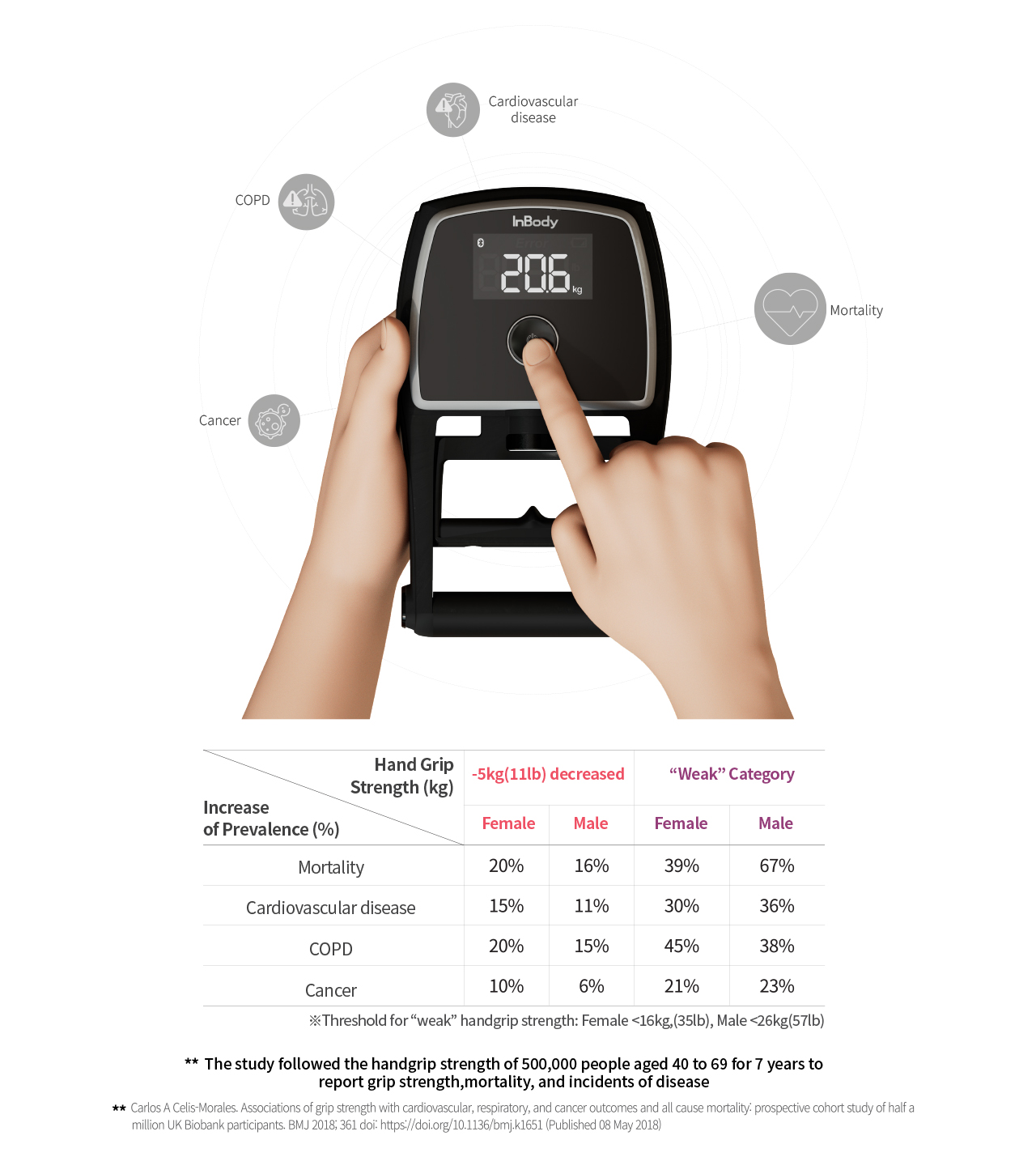
This is where it gets individual. Caloric needs after a hike depend on your body composition, the intensity and duration of the hike, your overall fitness goals, and what else you’re doing that day. Schedule an InBody 580 body composition analysis with Pause Fitness and Nutrition.
Logging your food in an app like Cronometer can give you a good idea of amounts of macronutrients (carbs, protein, fat) to replace after a hike or any activity!
If you’re consistently feeling depleted, irritable, or noticing that your fitness isn’t progressing despite regular trail time, your fueling strategy — not your effort — is likely the culprit.
Work With a Nutrition Coach in Durango
At Pause Fitness and Nutrition, we help active people in Durango dial in their nutrition to match their lifestyle — whether that’s hiking, running, cycling, or just staying energized through busy days.
We don’t do one-size-fits-all meal plans. We look at what you’re actually doing, how your body is responding, and build a sustainable approach around real food and real life in the mountains.
Ready to fuel smarter? Book a free consultation with our team →
Have questions about trail nutrition? Drop them in the comments or reach out to us directly — we’re always happy to talk food and fitness.


Comments +