


By Pause Fitness & Nutrition · 6 min read
You’ve probably heard it before: “No days off.” It sounds motivating. It sounds disciplined. But when it comes to your fitness journey, skipping rest days isn’t a badge of honor — it’s one of the most common mistakes people make.
01 — The Science
Your Muscles Don’t Grow During Workouts — They Grow During Recovery
When you exercise, you’re creating microscopic tears in your muscle fibers. That might sound alarming, but it’s a completely normal and necessary part of getting stronger. The real magic happens after the workout, when your body repairs those fibers and builds them back thicker and stronger than before.
That repair process? It happens during rest. If you’re training every single day without adequate recovery, you’re constantly breaking down muscle tissue without giving your body the time to rebuild. Over time, this leads to stagnation — or worse, regression.
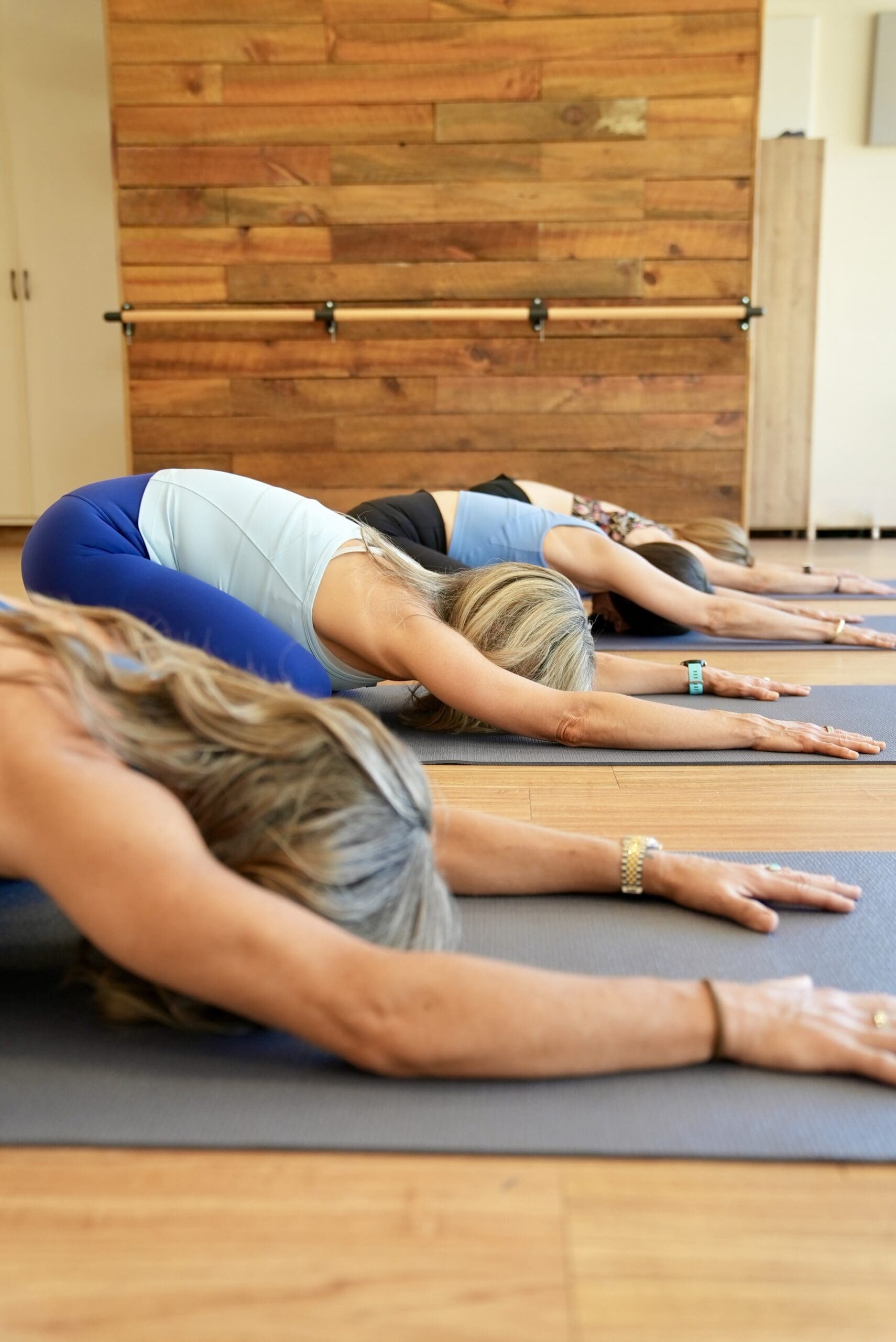
The takeaway: Rest isn’t the opposite of progress. It is progress. Try a Restorative Yoga Class or Sound Bath on your rest day.
02 — Overtraining
Overtraining Is Real — and It’s Sneaky
Overtraining Syndrome (OTS) occurs when training volume exceeds your body’s ability to recover. The tricky thing is, it doesn’t hit you all at once. It creeps in gradually, disguised as:
- Persistent fatigue that doesn’t go away after sleep
- Decreased performance — weights feel heavier, cardio feels harder
- Mood changes, irritability, or difficulty concentrating
- Increased susceptibility to illness
- Nagging injuries or chronic soreness
Many people push through these signs, thinking they just need to “work harder.” But the body is sending a clear message: slow down. Taking 1–2 rest days per week is one of the most effective ways to prevent overtraining and keep your performance trending upward.
03 — Hormones
Rest Days Support Your Hormones
Exercise is a stress on the body — a good kind of stress, but stress nonetheless. Intense or prolonged training elevates cortisol, your body’s primary stress hormone. In short bursts, cortisol is helpful. Chronically elevated cortisol, however, can break down muscle tissue, increase fat storage, suppress immune function, and disrupt sleep quality.
Rest days help bring cortisol levels back to baseline, allowing your anabolic hormones — like testosterone and growth hormone — to do their job: building and repairing tissue.
04 — The Nervous System
Your Central Nervous System Needs a Break Too
Most people think about muscle soreness when they think about recovery. But your central nervous system (CNS) takes a hit from hard training too — especially from heavy lifting, HIIT, or any training that demands significant neuromuscular output.
A fatigued CNS means slower reaction times, reduced power output, and a higher risk of injury because your coordination and form break down. Regular rest days give your nervous system time to reset so you can come back firing on all cylinders.
05 — Injury Prevention
Rest Days Protect You from Injury
Repetitive stress on joints, tendons, and connective tissue without adequate recovery is one of the leading causes of overuse injuries — stress fractures, tendinitis, and joint inflammation. These injuries don’t set you back a few days. They can sideline you for weeks or months.
One or two intentional rest days per week is a small investment that protects your long-term ability to train consistently. Consistency over time is what produces real results.
06 — What Rest Looks Like
What Should Rest Days Actually Look Like?
Rest doesn’t have to mean doing absolutely nothing — though it absolutely can. The goal is to reduce physical demand on your body while still supporting your overall wellbeing.
Passive Rest
Sleeping in, lounging, light stretching, or foam rolling. Perfect on days when your body is especially fatigued.
Active Recovery
A gentle walk, restorative yoga, a casual swim, or light mobility work — improves circulation without adding training stress.
The key is listening to your body. Some weeks, you’ll need more rest. Other weeks, less. Learning to read those signals is one of the most valuable fitness skills you can develop.
07 — Fueling Recovery
Nutrition on Rest Days Matters Too
A common mistake is drastically cutting calories on rest days because you’re “not working out.” But your body is still doing a lot of work — rebuilding muscle, replenishing glycogen, and running all its normal biological processes.
- Keep protein intake consistent to support ongoing muscle repair
- Stay hydrated — recovery is an active metabolic process
- Eat enough fiber to keep blood sugar managed and for regular bowel movements
- Include anti-inflammatory foods like leafy greens, berries, fatty fish, and nuts
08 — Mindset
The Mental Case for Rest
Here’s something we don’t talk about enough: rest days are good for your mind, not just your body. Exercise is a healthy habit, but when it becomes compulsive — when missing a workout triggers anxiety, guilt, or panic — that’s worth examining.
Building intentional rest into your week helps you cultivate a healthier, more sustainable relationship with movement. Rest days remind you that your worth isn’t tied to how hard you worked out today. They give you space to enjoy other parts of life, reset your motivation, and come back to your next session genuinely excited to train.
The most elite athletes in the world have structured recovery built into their programs. Not because they’re weak — because they understand that rest is where adaptation happens.
Ready to build a training and nutrition program that works with your body — not against it? Reach out to the team at Pause Fitness and Nutrition. We’d love to help you find your balance. Get in Touch: jolie@pausedurango.com



Comments +